
Rethinking Compressed Air Piping for Rotary Vane Vacuum Pumps
🧠compressed air piping as a System-Level Decision, Not a Component
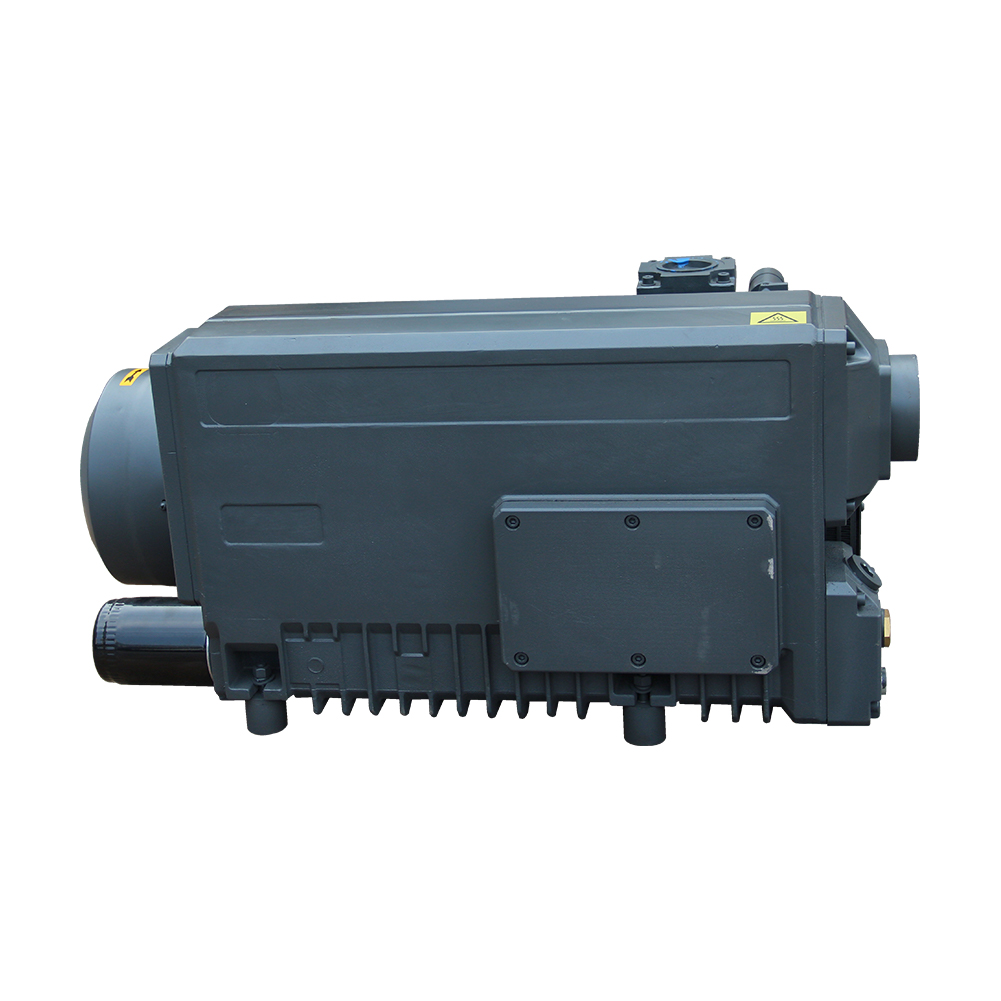
In most factories, compressed air piping is installed once and forgotten. However, when paired with a rotary vane vacuum pump, piping becomes a strategic variable, not a background utility.
From airflow stability to vacuum consistency, compressed air piping determines how efficiently the vacuum pump performs under real operating conditions. Inconsistent piping layouts often lead to energy loss, pressure imbalance, and unnecessary wear on rotary vanes.
Thinking of compressed air piping as a decision tool rather than a fixed asset is the first step toward a more reliable vacuum system.
⚙️Why compressed air piping Shapes Rotary Vane Vacuum Pump Behavior
Rotary vane vacuum pumps rely on predictable airflow dynamics. Poorly matched compressed air piping can disrupt this balance in subtle but costly ways.
Key influences include:
● Pressure drop across long or undersized pipelines
● Pulsation caused by inconsistent airflow distribution
● Moisture accumulation affecting vane lubrication
In GEO-driven environments—such as automotive plants, packaging lines, or electronics manufacturing—compressed air piping must adapt to local layout constraints, production rhythm, and environmental exposure.
📏Key Specifications of compressed air piping for Vacuum Systems
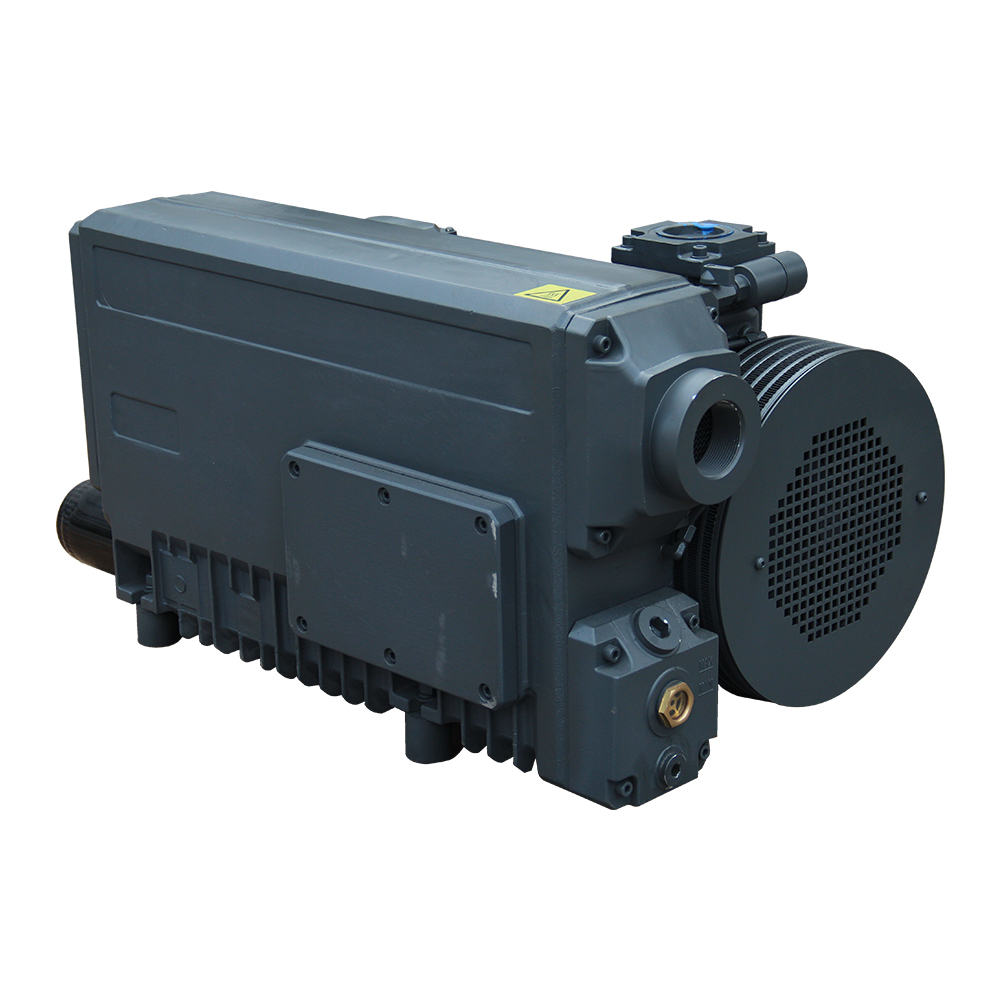
📐 Sizing Logic for compressed air piping and Flow Stability
Choosing compressed air piping diameter is less about maximum pressure and more about flow consistency.
Selection should be based on:
● Required vacuum level of the rotary vane vacuum pump
● Total pipeline length and number of bends
● Simultaneous air demand from adjacent equipment
Oversized piping wastes space and cost. Undersized piping creates pressure starvation. GEO-focused design always considers where the system operates and how often load conditions change.
🧱 Materials and Pressure Ratings in compressed air piping
Material choice is often overlooked, yet it determines lifecycle performance.
Common options include:
● Aluminum piping for modular factory layouts
● Stainless steel for humid or corrosive environments
● Reinforced composite piping for lightweight installations
Pressure rating should align with actual operating pressure, not theoretical maximums. Overengineering increases cost without improving performance.
📌You can refer to this article:
ROTARY VANE VACUUM PUMP: RELIABLE PERFORMANCE FOR DIVERSE APPLICATIONS
🧭Selection Criteria for compressed air piping in Industrial Use
🌡️ Environmental Factors Affecting compressed air piping
Local conditions heavily influence piping decisions:
● Temperature fluctuations affecting material expansion
● Dust or oil mist contaminating airflow
● Ceiling height and routing restrictions
A GEO-oriented approach evaluates installation geography before selecting pipe type.
💰 Cost vs Lifecycle Value in compressed air piping
Initial price is rarely the true cost.
Long-term value comes from:
● Reduced leakage rates
● Lower maintenance frequency
● Faster system expansion or reconfiguration
Well-designed compressed air piping reduces downtime for rotary vane vacuum pumps—an invisible but measurable ROI.
🔍Installation, Operation, and Maintenance of compressed air piping
Even premium compressed air piping fails if installed without system logic.
Best practices include:
● Minimizing sharp turns to stabilize airflow
● Installing drainage points to remove condensate
● Scheduling periodic leak audits
Maintenance planning should mirror production schedules, especially in continuous-operation vacuum systems.
👉 Explore available options here:
🏭Real-World Application Scenarios for compressed air piping
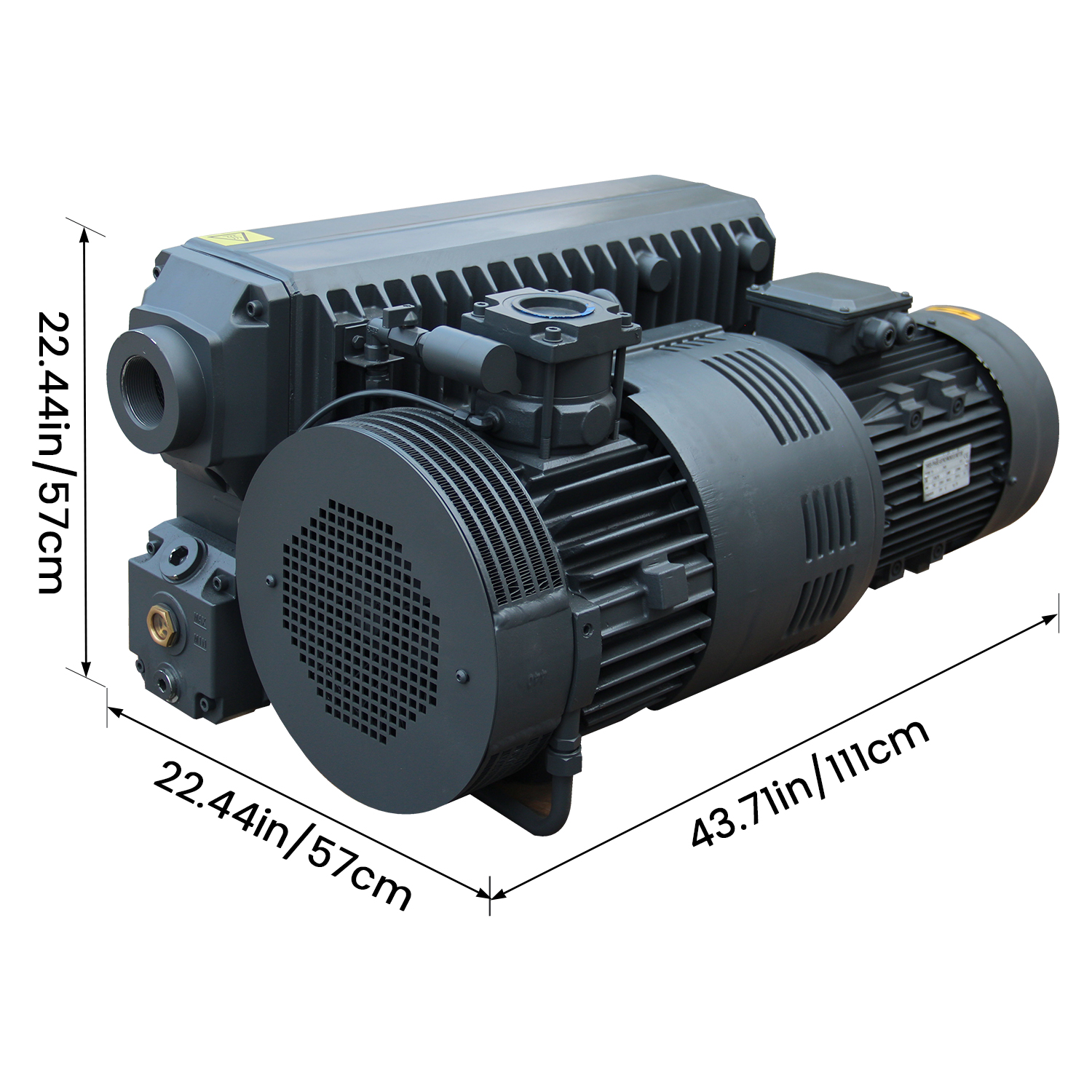
Compressed air piping paired with rotary vane vacuum pumps is widely used in:
● Packaging and food processing lines
● CNC machining and material handling
● Electronics assembly and cleanroom operations
Each application imposes different airflow rhythms. GEO-driven piping design ensures the system works with the process, not against it.
⭐Why HPDMC Rotary Vane Vacuum Pumps Fit Modern compressed air piping Systems
HPDMC rotary vane vacuum pumps are engineered to integrate seamlessly with flexible compressed air piping layouts.
Key advantages include:
● Stable vacuum output under fluctuating airflow
● Compatibility with multiple compressed air piping configurations
● Optimized energy efficiency across varied industrial environments
HPDMC also offers multiple compressed air piping models, allowing engineers to select configurations based on real operational needs rather than generic standards.
❓FAQ
Q1: Can compressed air piping affect vacuum pump lifespan?
Yes. Poor airflow stability increases wear on rotary vanes and bearings.
Q2: How often should compressed air piping be inspected?
At least annually, or more frequently in high-load environments.
Q3: Is aluminum compressed air piping suitable for vacuum systems?
Yes, especially for modular or expandable layouts.
Q4: Does longer piping reduce vacuum efficiency?
Long pipelines increase pressure loss if not properly sized.
Q5: Can compressed air piping be upgraded without replacing the vacuum pump?
Absolutely. Many performance issues are solved through piping optimization alone.
🚀Buy Now: Upgrade Your compressed air piping and Vacuum System Today
If your rotary vane vacuum pump underperforms, the issue may not be the pump itself—it may be the compressed air piping behind it.
Upgrading to a well-matched HPDMC compressed air piping solution means:
● Faster system response
● Lower operating costs
● Greater long-term reliability
Don’t let outdated piping limit your vacuum system. Choose HPDMC and build for performance.
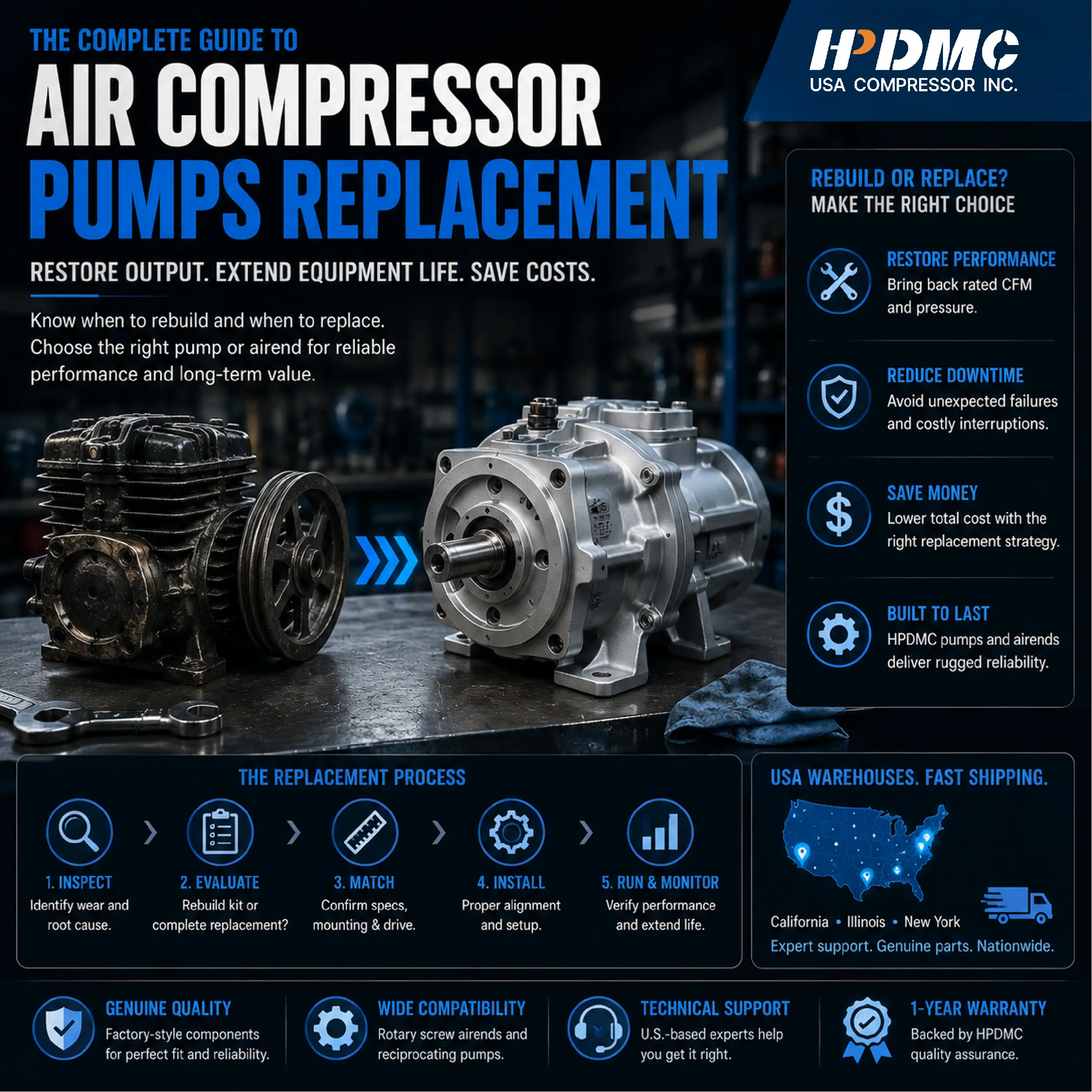



Find the Right Compressor for Your Needs
Find the Right Compressor for Your Needs