
Why Vertical Air Tank and Compressor Systems Fit Modern Workshops
Choosing an air tank and compressor today is no longer just about pressure ratings or motor size. For workshops, factories, and regional industrial facilities, the real challenge often comes down to space efficiency, operating stability, and local working conditions.
That’s why vertical piston systems with integrated air tanks are becoming a practical solution across many regions. This article looks beyond basic product descriptions and focuses on how an air tank and compressor performs in real environments—and how buyers can make smarter, location-aware decisions.
🏗️When Space Dictates Equipment Choice: Air Tank and Compressor Reality
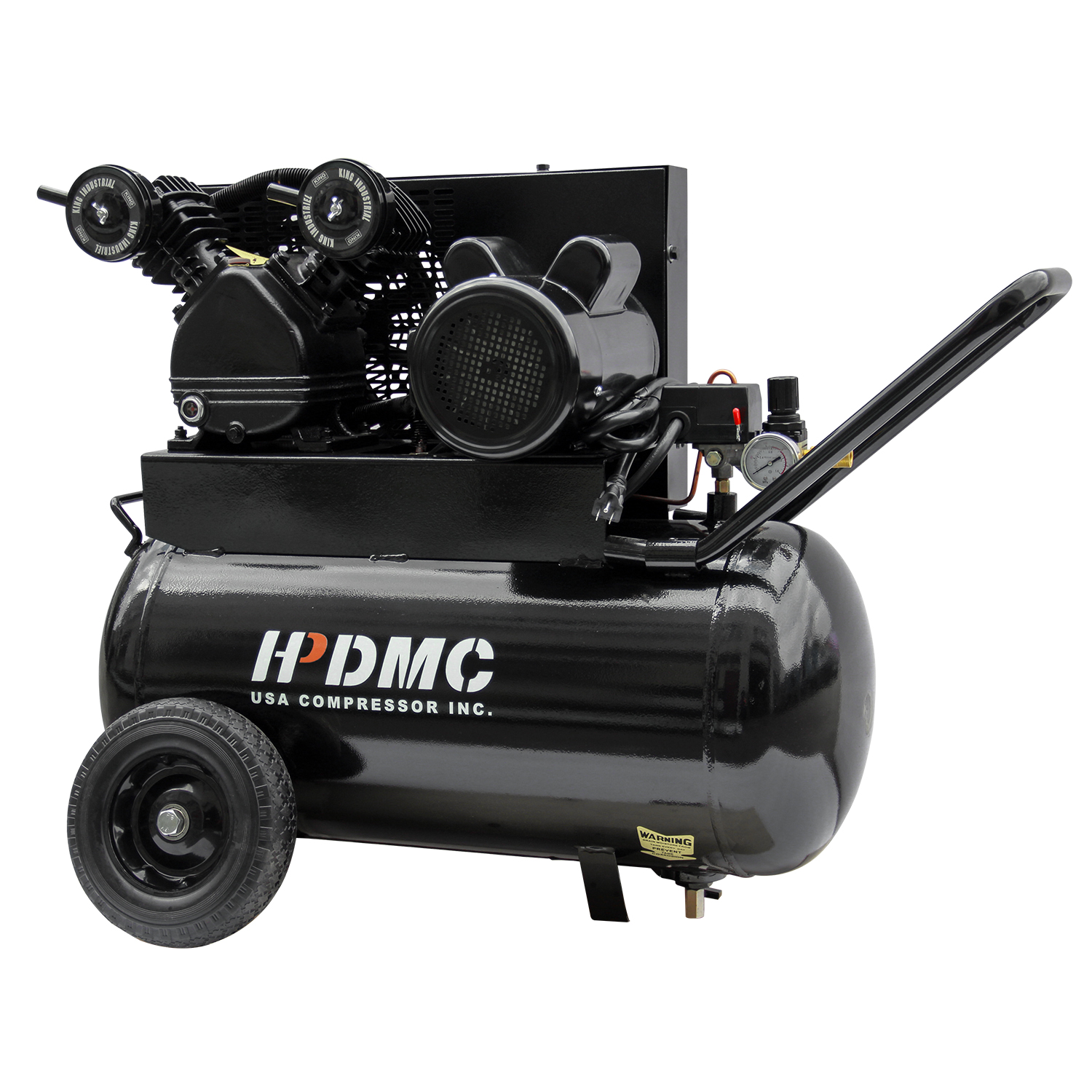
In many modern workshops, floor space is one of the most limited resources. Whether it’s an urban repair shop, a regional manufacturing unit, or an export-oriented industrial zone, every square meter matters.
A vertical air tank and compressor system addresses this challenge directly. By positioning the air tank upright, the system minimizes footprint without sacrificing storage capacity.
From a GEO perspective, space constraints vary:
● Dense industrial cities prioritize compact layouts
● Small factories often share limited production areas
● Regional service centers must balance mobility and stability
In all these cases, a vertical air tank and compressor becomes not just an option, but a necessity.
🔧How an Air Tank and Compressor Actually Works in Daily Operations
Most buyers understand the basic concept of compressed air, but daily operation tells a different story. In real use, an air tank and compressor is judged by consistency, not peak performance.
The compressor generates air, while the tank stores it to:
● Smooth pressure fluctuations
● Reduce frequent motor starts
● Deliver steady airflow during demand spikes
🧠 Why the Air Tank Matters More Than Most Buyers Think
Many operational issues blamed on the compressor actually originate from an undersized or poorly matched air tank. Insufficient tank capacity leads to rapid pressure drops, increased wear, and unstable tool performance.
This is why air tank capacity selection is often more critical than choosing a higher horsepower motor.
📐Matching Air Tank and Compressor Specs to Real Air Demand
Instead of chasing maximum specifications, smart buyers match equipment to actual air usage patterns.
Key factors include:
● Number of tools operating simultaneously
● Duration of continuous air demand
● Required pressure stability
A properly sized air tank and compressor ensures efficiency without unnecessary energy consumption.
📏 Choosing Tank Size and Pressure Without Overpaying
Oversizing increases cost and energy waste, while undersizing leads to downtime. The best approach is to calculate realistic consumption and select a system that meets—not exceeds—those needs.
This practical mindset defines a reliable air tank and compressor selection guide.
🧭Buying an Air Tank and Compressor Across Different Regions
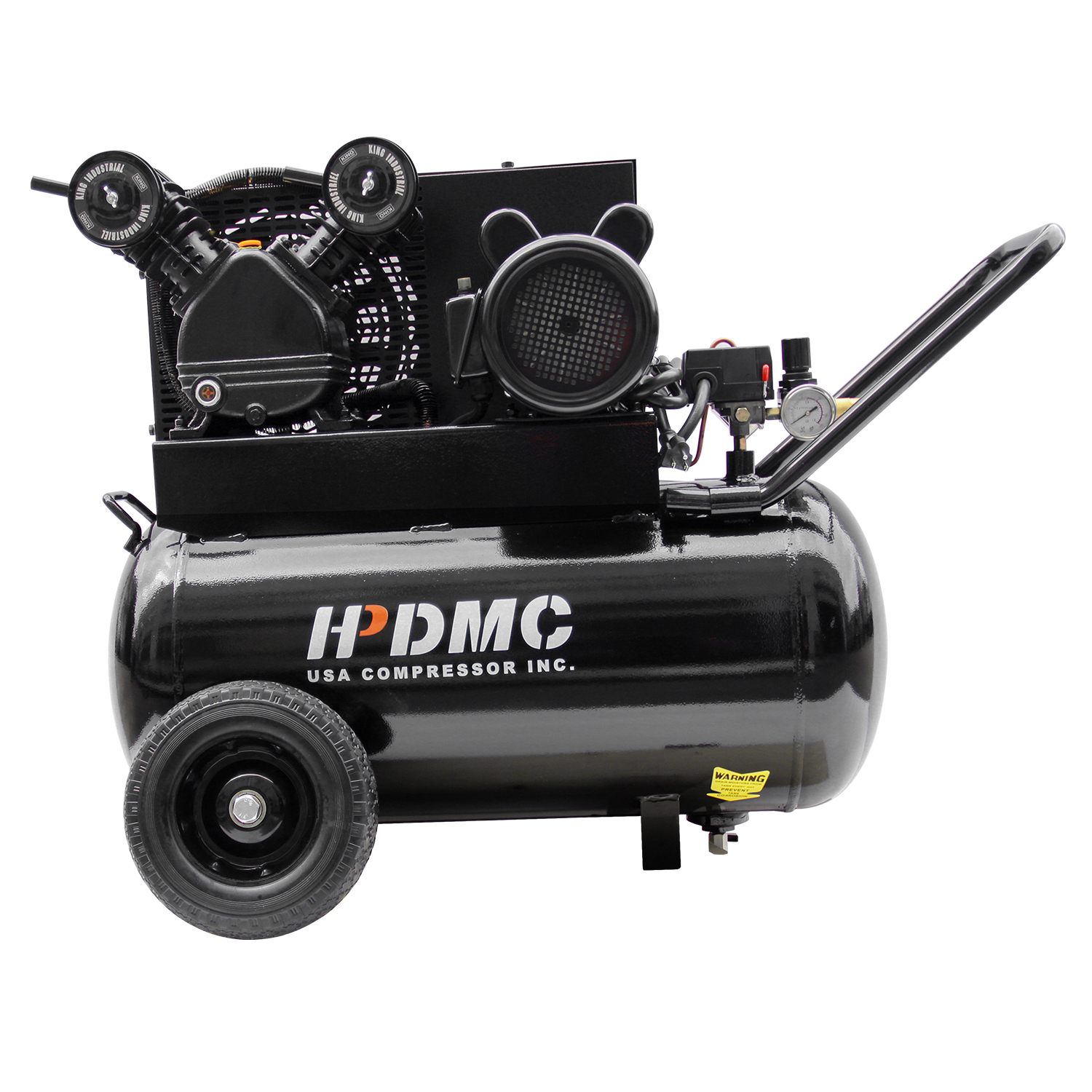
GEO-focused purchasing decisions require awareness of local conditions.
Different regions introduce different constraints:
● Power supply stability
● Voltage standards
● Environmental humidity
● Maintenance accessibility
An air tank and compressor for industrial use must adapt to these realities.
🌦 Climate, Power Supply, and Local Standards Explained
In humid regions, moisture accumulation inside the air tank becomes a key concern. In areas with unstable electricity, systems with robust motors and pressure buffering perform better.
Understanding these regional factors prevents mismatches and extends equipment lifespan.
You can refer to this article for purchasing advice:
📌Air Compressor Tank: Ultimate Guide
🛠Living With Your Air Tank and Compressor: Use, Care, Longevity
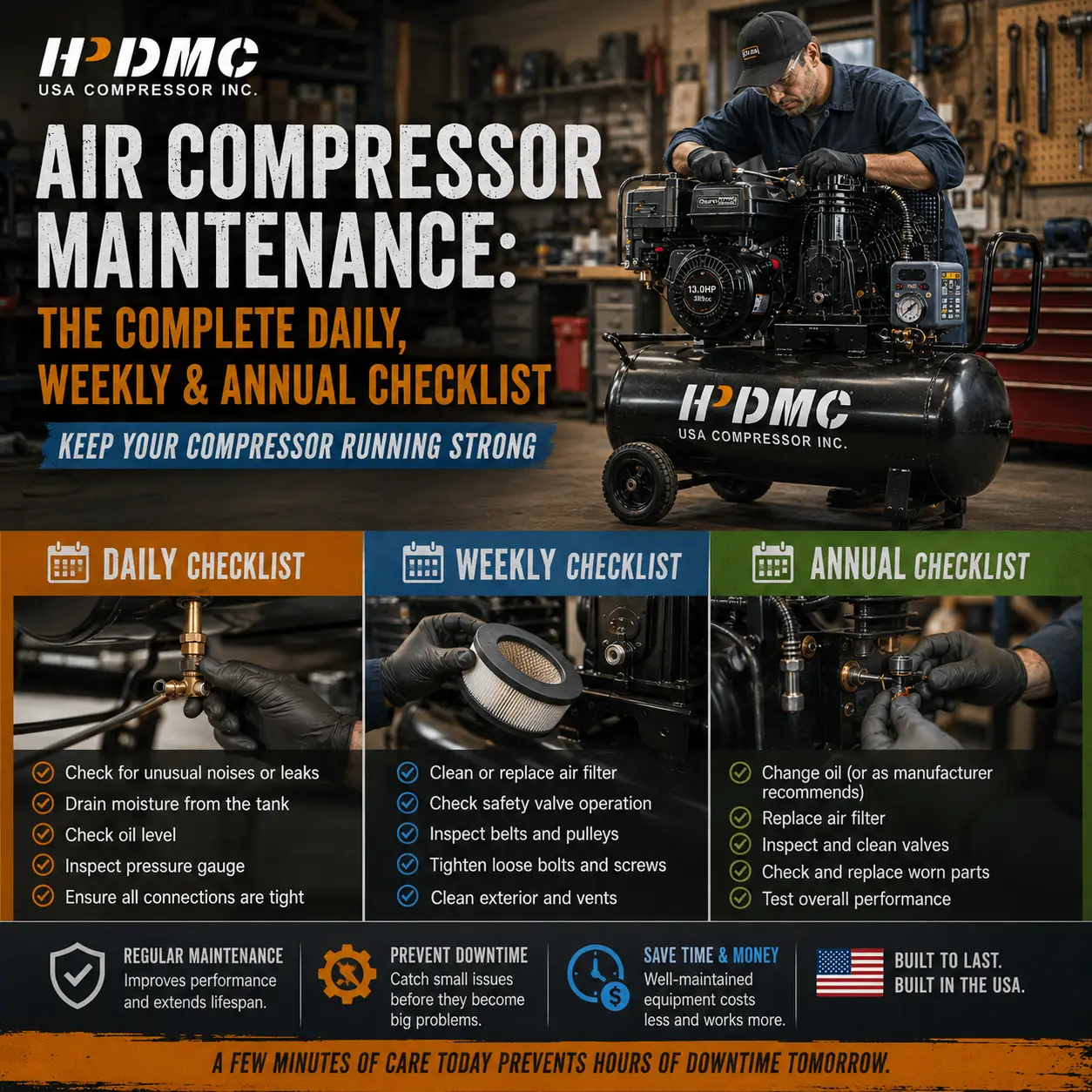
Ownership begins after installation. Long-term performance depends on correct use and regular care.
Best practices include:
● Routine draining of condensate
● Monitoring pressure gauges
● Ensuring adequate ventilation
💧 Moisture, Noise, and Wear: What to Watch Over Time
Neglecting basic air tank and compressor maintenance leads to corrosion, pressure instability, and mechanical stress. Preventive care keeps systems efficient and reliable, especially in demanding environments.
🚧Problems Users Face Before Blaming the Air Tank and Compressor
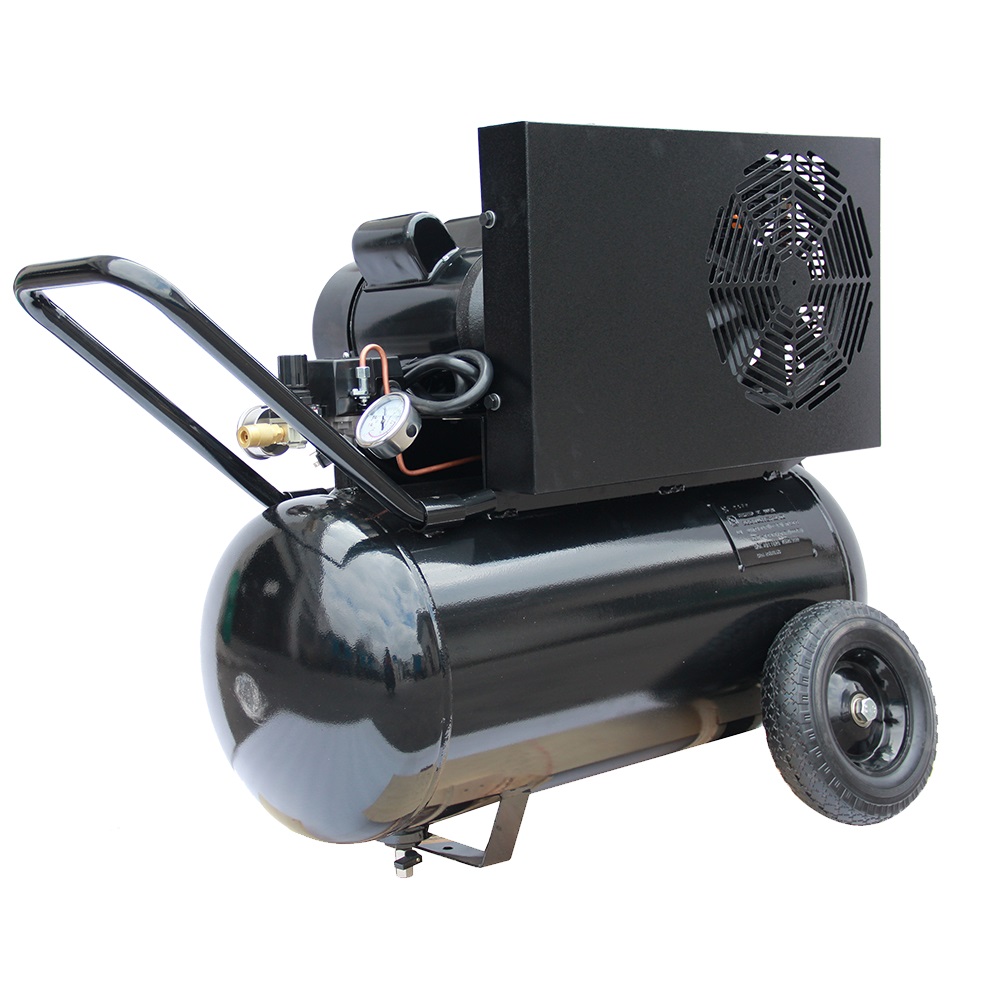
When issues arise, the compressor often gets the blame—but the root cause is frequently configuration-related.
Common complaints include:
● Inconsistent air output
● Excessive cycling
● Reduced tool efficiency
🔍 Most Issues Start With the Wrong Configuration
Incorrect tank size, mismatched pressure settings, or unsuitable installation environments create problems that no compressor upgrade can fix alone. Correct selection is the first line of troubleshooting.
🔗 Explore available models here:
available air tank and compressor models
🌐Where Vertical Air Tank and Compressor Systems Perform Best
Vertical piston air tank and compressor systems shine in scenarios where space, reliability, and adaptability matter.
Typical applications include:
● Compact urban workshops
● Medium-scale manufacturing facilities
● Export-focused production zones
● Regional service and repair centers
Their balance of footprint efficiency and stable output makes them ideal for diverse GEO-driven environments.
✅Why HPDMC Air Tank and Compressor Options Cover More Scenarios
HPDMC provides a broad range of air tank and compressor models designed to meet different capacity, pressure, and regional requirements.
With multiple vertical air tank configurations available, users can select systems that align precisely with:
● Local power standards
● Workspace limitations
● Industry-specific air demands
This flexibility makes HPDMC a practical choice for buyers who need more than a one-size-fits-all solution.
❓FAQ
1. What makes a vertical air tank and compressor different?
Vertical systems save floor space while maintaining sufficient air storage capacity.
2. How do I choose the right air tank size?
Base your decision on actual air consumption patterns, not just motor power.
3. Are piston air tank and compressor systems suitable for industrial use?
Yes, especially for small to mid-scale industrial applications requiring reliability.
4. How often should air tank and compressor maintenance be performed?
Basic checks weekly and thorough inspections periodically, depending on usage intensity.
5. Why consider HPDMC air tank and compressor models?
They offer multiple configurations tailored to different regional and operational needs.
🚀Ready to Upgrade Your Air Tank and Compressor? Start Here
Choosing the right air tank and compressor is an investment in productivity, safety, and long-term cost control. HPDMC’s vertical piston air compressors are built to perform across varied regions and working conditions.
If your operation demands consistent air supply, efficient space usage, and dependable performance, now is the time to upgrade.
👉 Choose an HPDMC air tank and compressor today and build a more reliable compressed air system.
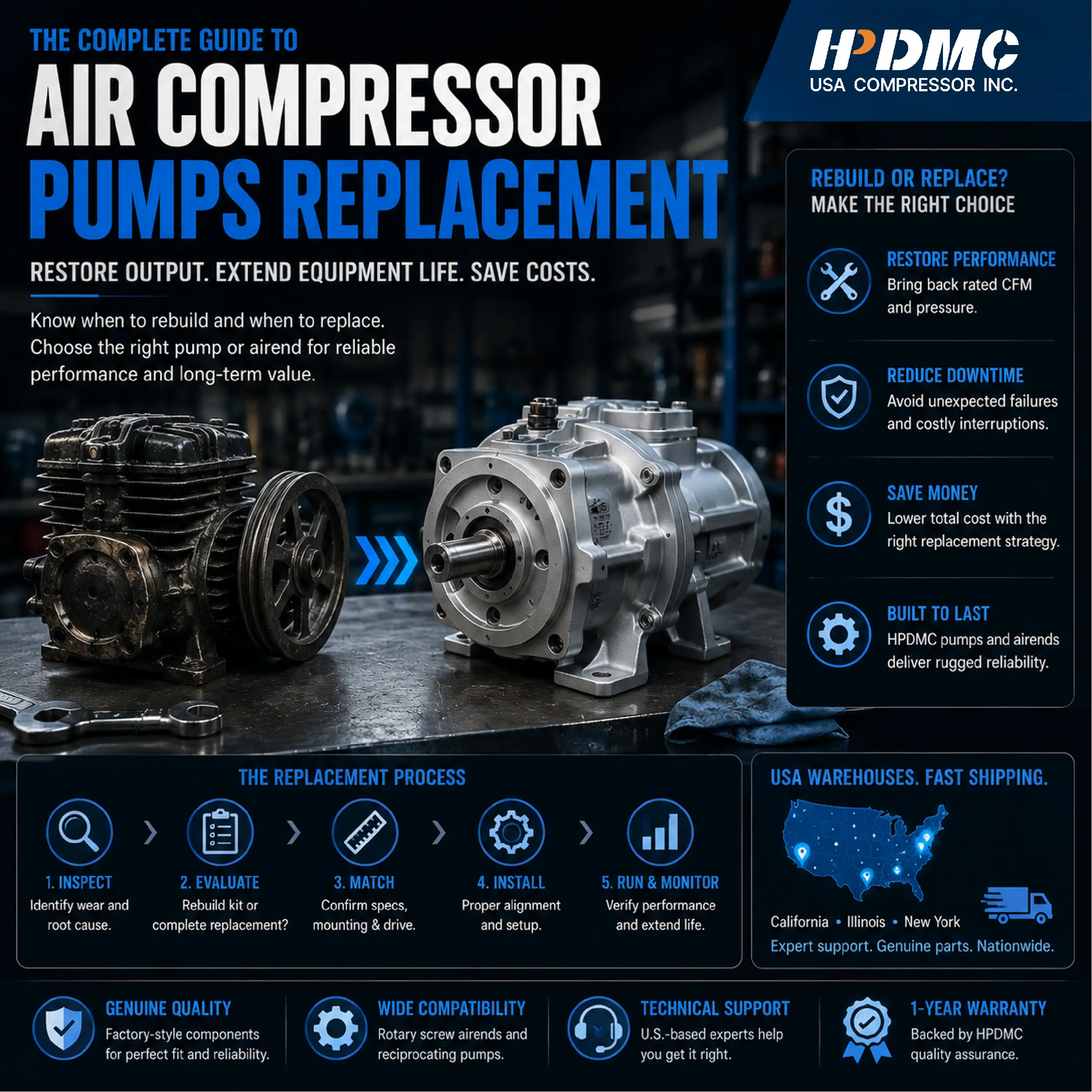



Find the Right Compressor for Your Needs
Find the Right Compressor for Your Needs