
How to Select a 5–10 HP Air Gas Compressor Pump
🧭What Is an Air Gas Compressor and Why It Matters Globally
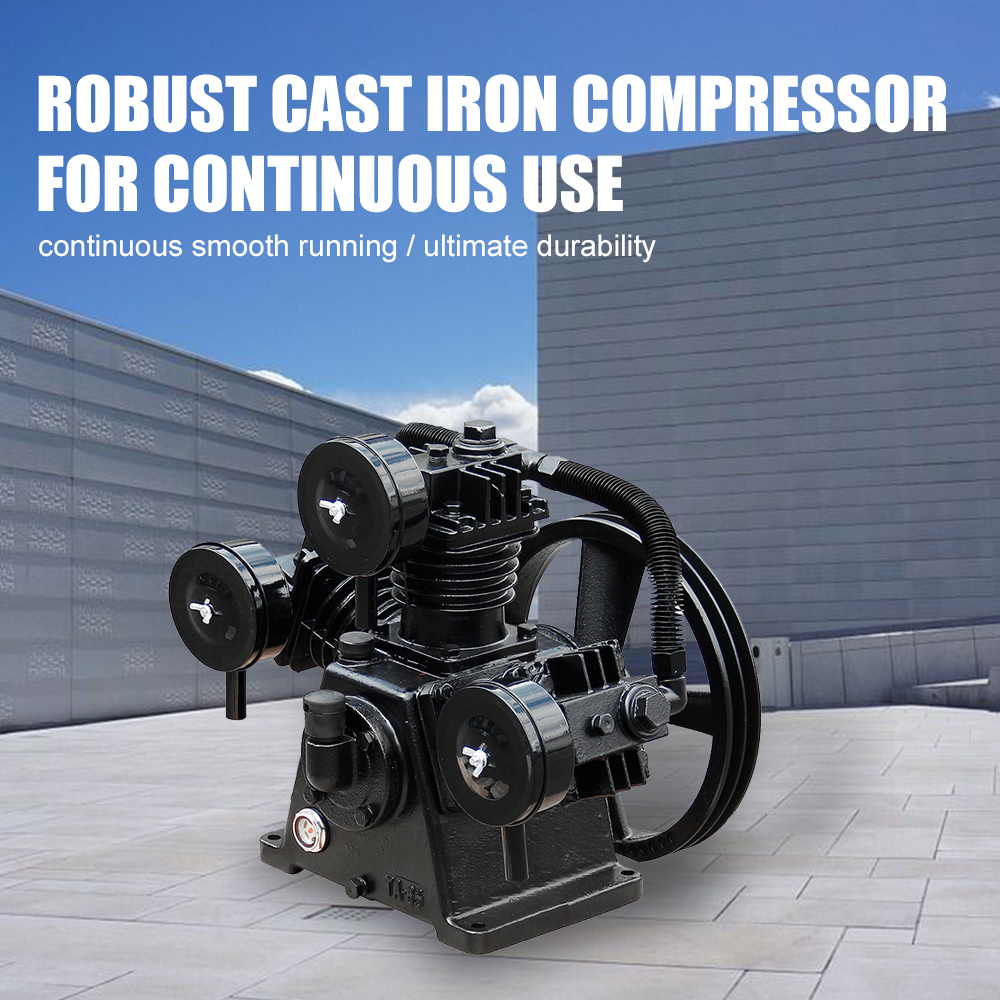
An air gas compressor is a mechanical device that increases gas pressure by reducing volume, commonly used to compress air or light industrial gases. In many global markets, reciprocating air gas compressors are preferred due to their adaptability and ease of maintenance.
From Southeast Asia’s humid factories to Middle Eastern energy sites and European workshops, air gas compressors play a critical role in powering tools, transferring gases, and supporting production lines.
⚙️How a Reciprocating Air Gas Compressor Works
A reciprocating air gas compressor pump air end operates using a piston-driven mechanism:
● Gas enters the cylinder through an intake valve
● The piston compresses the gas
● High-pressure gas exits through a discharge valve
This structure makes the 5–10 HP air gas compressor ideal for intermittent or medium-duty applications, especially where reliability outweighs ultra-high flow demands.
👉You can refer to this article:
Mini Compressor Parts Powering Small-Scale Gas Systems
📐Key Specifications of a 5–10 HP Air Gas Compressor
🔧Power, Pressure, and Flow Rate in Air Gas Compressor Design
When selecting an air gas compressor, global buyers typically evaluate:
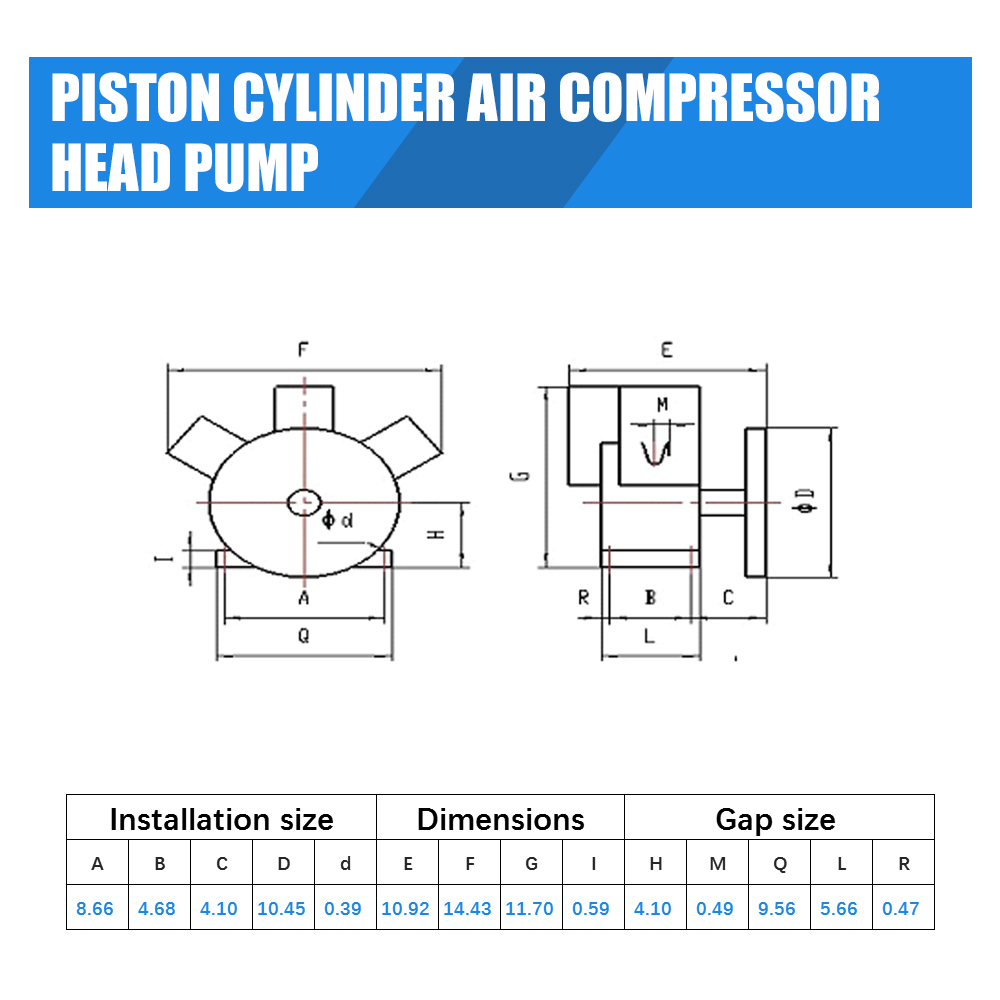
● Horsepower (HP): 5–10 HP suits small industrial plants and regional workshops
● Working pressure: Often 8–30 bar depending on application
● Displacement & flow rate: Must match tool or system demand
Choosing undersized equipment leads to overheating, while oversizing increases energy costs.
🧱Materials and Air End Construction of Air Gas Compressors
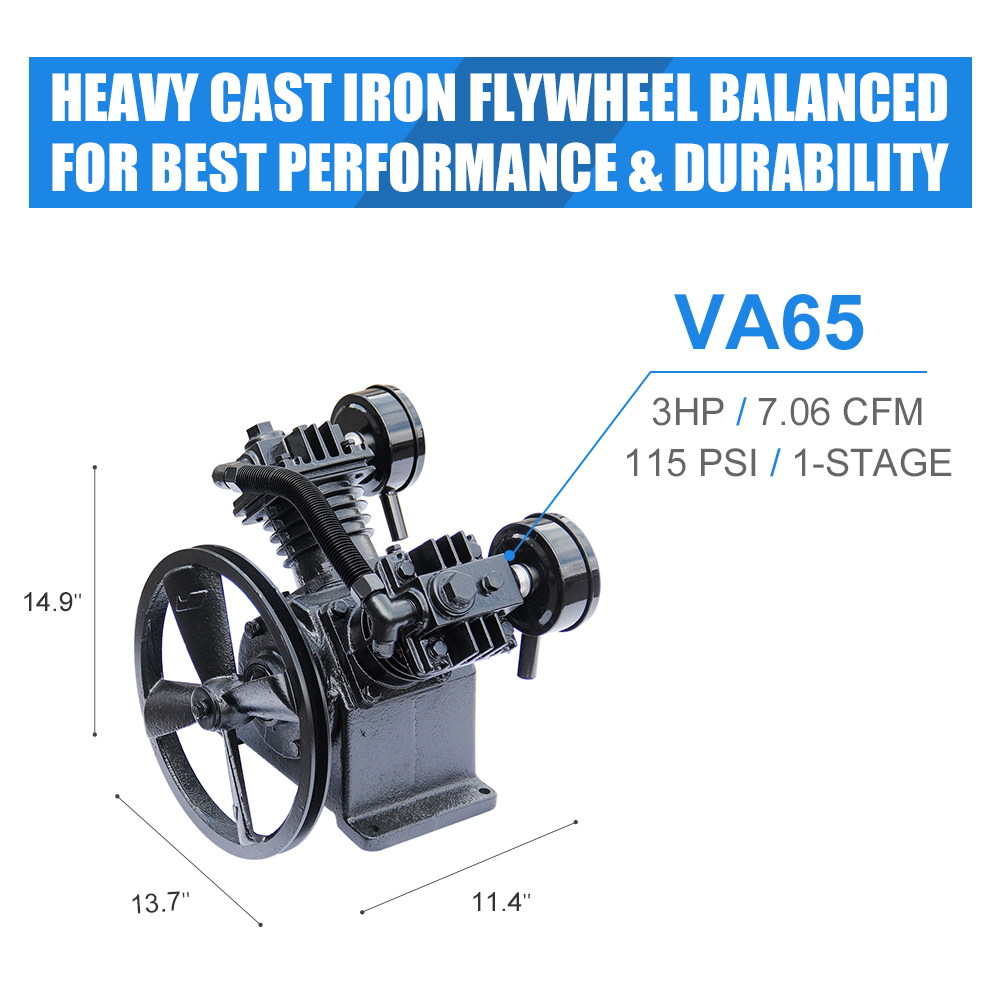
High-quality air gas compressor air ends use:
● Cast iron or alloy steel cylinders
● Precision-machined crankshafts
● Wear-resistant piston rings
These features are especially important in regions with high dust, temperature variation, or long daily operating hours.
🌎How to Choose an Air Gas Compressor by Location and Use
🏭Industrial vs Commercial Air Gas Compressor Selection
● Industrial zones: Require durable air gas compressors with higher duty cycles
● Commercial workshops: Often favor compact 5–10 HP air gas compressor pumps for flexibility
Local power supply stability and maintenance access also influence selection.
🌡️Climate, Altitude, and Gas Conditions Affect Air Gas Compressor Performance
GEO-specific factors matter:
● High altitude: Reduces intake air density
● Hot climates: Demand better cooling systems
● Humid regions: Require corrosion-resistant materials
Ignoring these factors can shorten air gas compressor lifespan.
🏗️Common Air Gas Compressor Applications Worldwide
A reciprocating air gas compressor is widely used in:
● Manufacturing and assembly lines
● Oil & gas auxiliary systems
● Chemical and laboratory gas handling
● Automotive repair workshops
● Regional energy and infrastructure projects
The 5–10 HP air gas compressor range balances power and portability for diverse global needs.
You can explore multiple air gas compressor models here:
👉 multiple air gas compressor models
🔧Air Gas Compressor Operation, Maintenance, and Troubleshooting
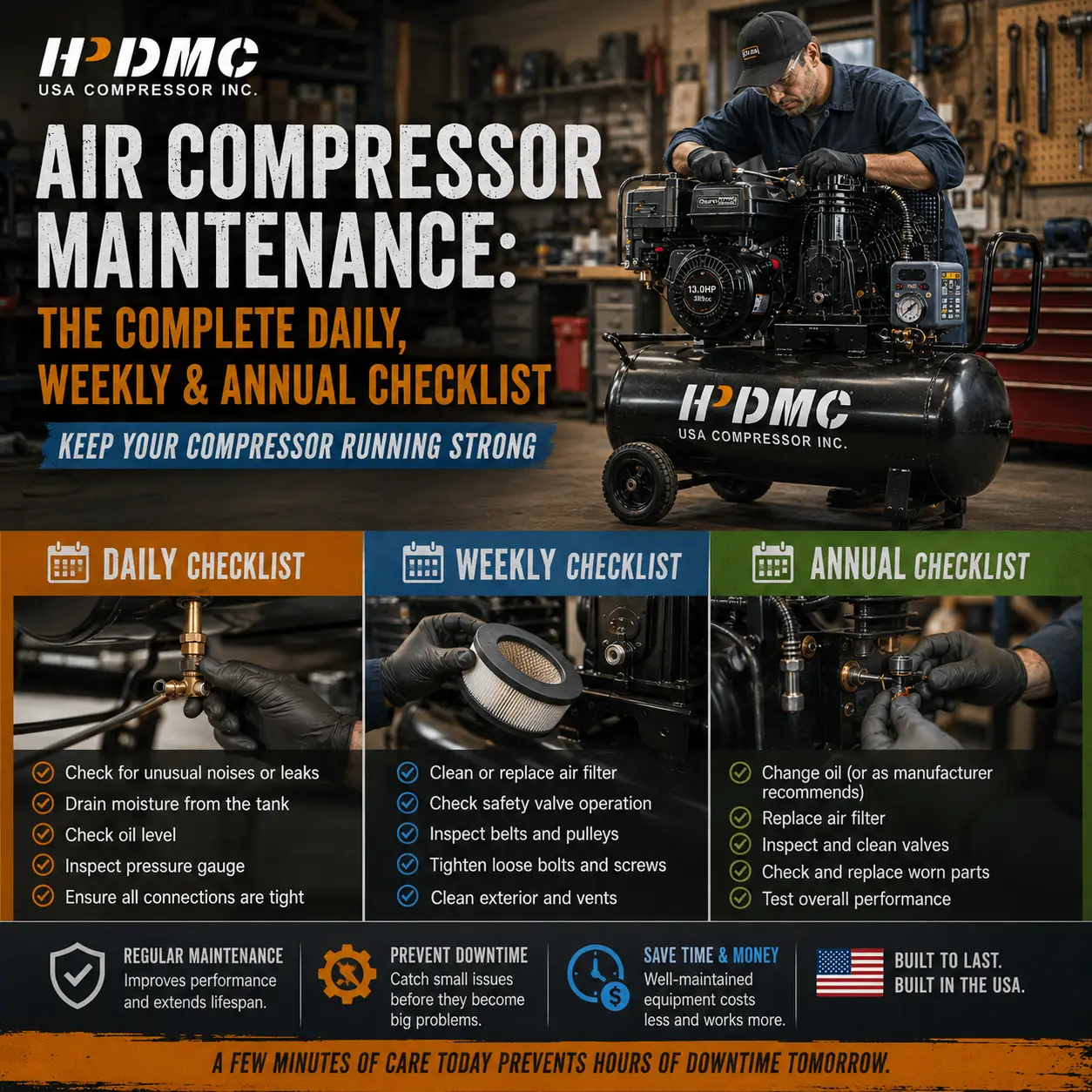
Routine maintenance ensures long-term reliability:
● Regular oil replacement
● Valve and seal inspection
● Monitoring temperature and vibration
Common issues include pressure loss, abnormal noise, or overheating—often linked to improper sizing or poor installation rather than the air gas compressor itself.
❓Air Gas Compressor FAQs
Q1: What is the ideal application for a 5–10 HP air gas compressor?
A: Medium-duty industrial and commercial environments requiring stable pressure.
Q2: Can one air gas compressor handle different gases?
A: Yes, with proper material compatibility and sealing design.
Q3: How long does a reciprocating air gas compressor last?
A: With good maintenance, 8–15 years is common.
Q4: Is a reciprocating air gas compressor energy efficient?
A: Yes for intermittent and medium-load operations.
Q5: How do I know if my air gas compressor is undersized?
A: Frequent pressure drops and overheating are key indicators.
⭐Why HPDMC Air Gas Compressor Pumps Are Worth Considering
HPDMC offers a wide range of air gas compressor models, especially in the 5–10 HP reciprocating pump air end category. Their designs emphasize:
● Global application adaptability
● Durable materials for harsh environments
● Flexible configuration options
🛒Buy Your HPDMC Air Gas Compressor Today
If you’re looking for a reliable, globally adaptable air gas compressor, HPDMC’s 5–10 HP reciprocating compressor pumps are a smart investment. Whether for industrial expansion, workshop upgrades, or regional projects, choosing the right air gas compressor now means lower costs and higher efficiency in the long run.
Don’t wait—select the right HPDMC air gas compressor and power your operation forward today.🛒buy now
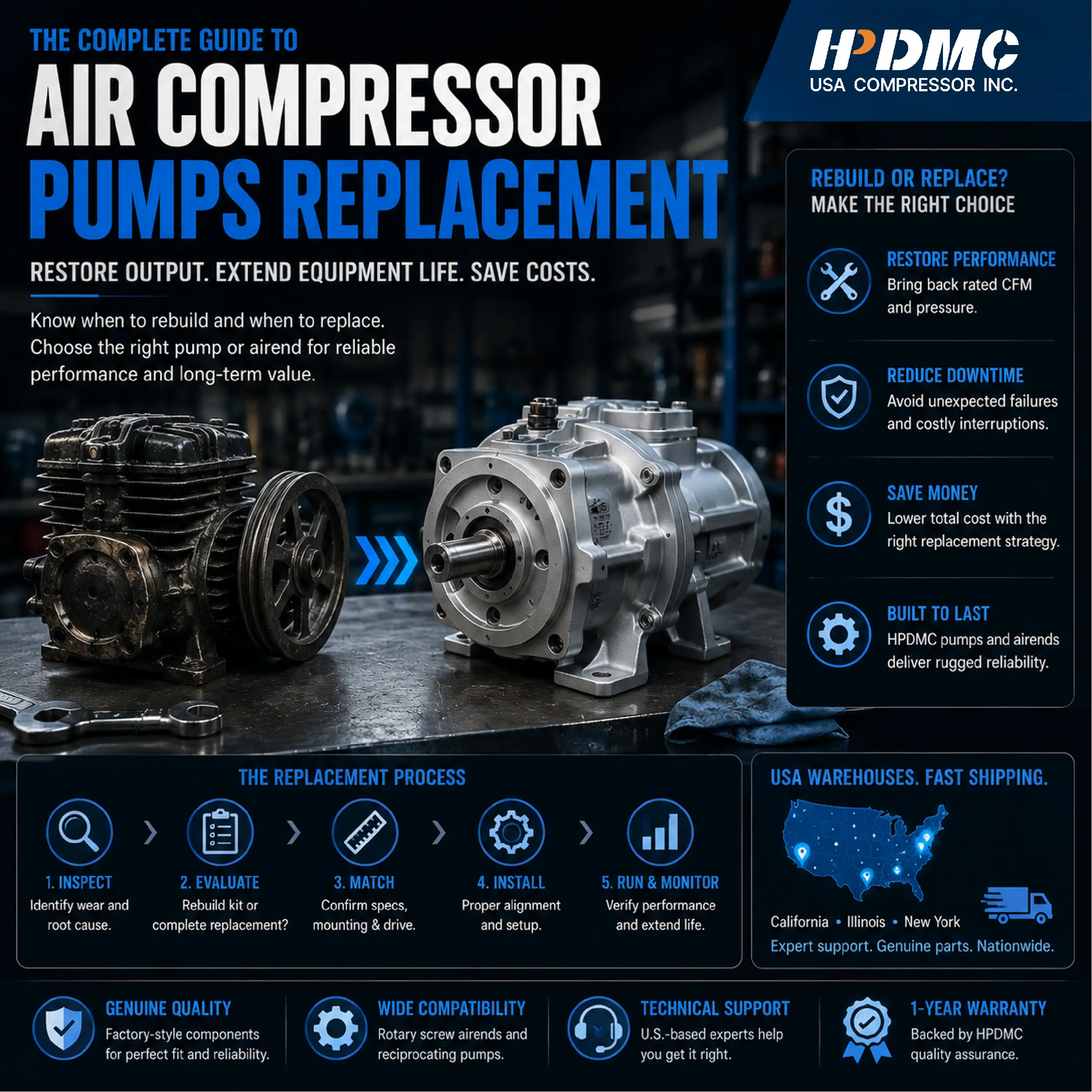



Find the Right Compressor for Your Needs
Find the Right Compressor for Your Needs